

Enjoying our trade coverage? Add us as a preferred source on Google to catch breaking rumors first.
A trade can change a team overnight. A TV deal or arena partnership can shape how fans experience hockey for years. Those stories rarely generate the same debate as a possible blockbuster, but they deserve a place on the offseason reading list.
The key is knowing what actually changes. A new broadcaster can affect where games are available. A naming-rights agreement changes the brand attached to a building. Neither should be mistaken for a roster move, but both help explain the business surrounding the game.
Follow More Than the Contract Numbers
Fans already follow hockey’s finances through player salaries, extensions, and trade discussions. NHLTradeRumor.com’s NHL salary-cap information offers a starting point for exploring the payroll side of those decisions.
Sponsorship news requires a different approach. Instead of asking where a player fits in the lineup, ask what the partner receives. Is the deal about arena signage, broadcast advertising, hospitality, or a combination of benefits?
That distinction prevents a familiar mistake: assuming every new commercial agreement immediately gives a general manager more room to spend. Team business and roster management are connected, but a sponsorship headline alone cannot explain a club’s next move.
Look Beyond the Name on the Building
In the United States, arena sponsorships put company names directly into hockey’s everyday vocabulary. Fans encounter them on tickets, schedules, and broadcasts, whether or not they use the sponsor’s products.
The same branding approach appears beyond North America. In New Zealand, SkyCity identifies itself as the naming-rights sponsor of the Queenstown-based Stampede ice hockey team. It is a local example of an entertainment business becoming part of a team’s public identity.
That entertainment sector extends from physical venues to online operators such as Jackpot City CA, whose website offers casino games rather than an arena or resort experience. For readers following the industry behind hockey sponsorships, the distinction is useful: the same broad business category includes different products, audiences, and marketing channels.
A team partnership is one specific arrangement within that wider market. Its value to fans depends on what it delivers, whether that means an event, a hospitality opportunity, or simply different signage.
Watch the Canadian Broadcast Changes
TV rights provide a more immediate example of a business story affecting fans. The question is straightforward: where can you watch the games you want?
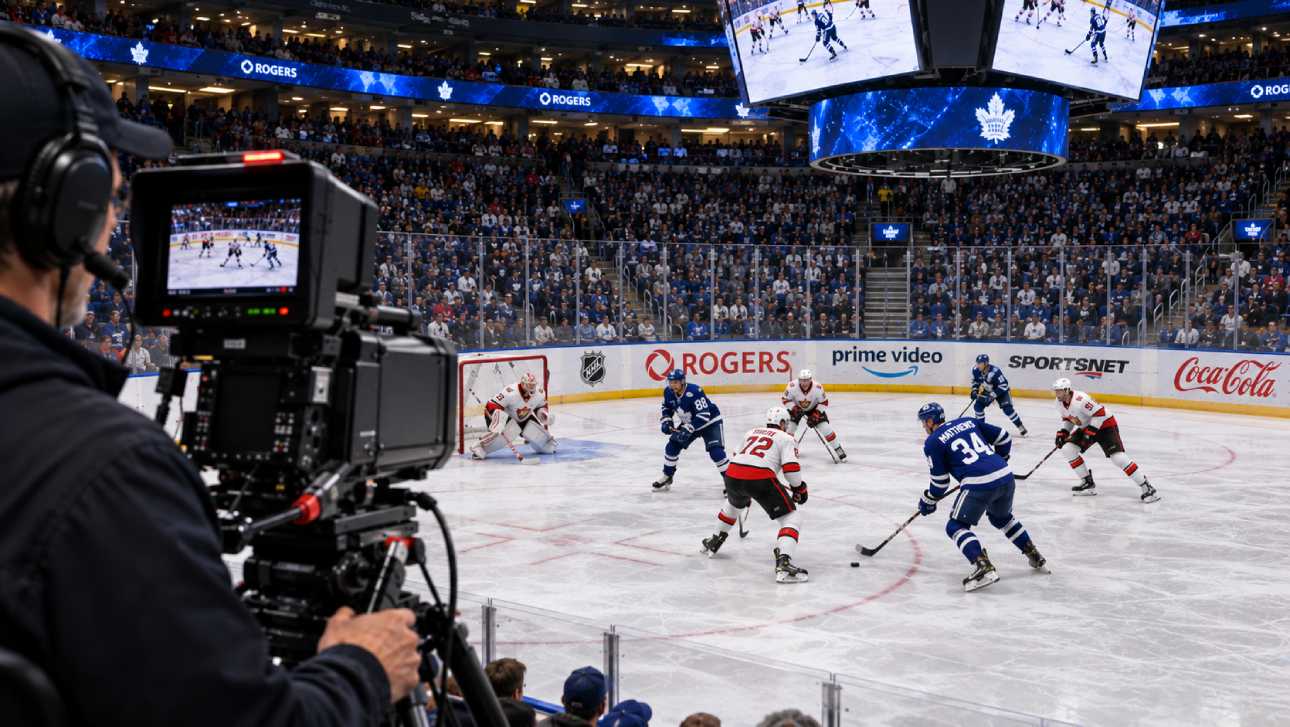
The July 2026 agreement between Rogers and Prime Video in Canada establishes a 12-year arrangement covering Wednesday-night national NHL regular-season games from 2026–27. It includes English- and French-language coverage, at least 26 national regular-season games, and selected early-round playoff series.
For Canadian viewers, those details matter more than the headline’s description of a long-term partnership. They identify a particular package, not every game involving every team.
Before changing subscriptions, check your team’s schedule against the broadcaster’s listings. National rights, regional coverage, and playoff packages should not be treated as interchangeable.
Keep Business Rumors Separate From Announcements
Apply the same standards to sponsorship speculation that you would to a trade rumor. A reported negotiation is not a completed agreement, and a proposed change is not a confirmed start date.
Look for statements from the team, league, or company involved. Check what has been announced and what remains undisclosed. If no financial terms are available, there is no basis for inventing a price or claiming the deal will transform the club’s budget.
Timing matters, too. An older agreement taking effect this season can be relevant news without being a newly signed contract.
Ask What It Means for Fans
The best offseason business coverage answers a practical question. Does the deal change viewing access, introduce an event, or alter the game-night experience?
That keeps the story grounded in hockey. Follow the announcements alongside the trade chatter, but judge each on what it actually changes—not just the names attached to it.