
Enjoying our trade coverage? Add us as a preferred source on Google to catch breaking rumors first.
The biggest name on the NHL trade market is not always the player a team should pursue.
Star players dominate trade rumors because they generate attention and make a blockbuster easy to imagine. However, a recognizable name is not always the best fit.
In my view, contract value, age, roster role, and acquisition cost matter just as much as scoring totals. A successful trade is not about landing the most accomplished player available. It is about adding the player who solves the right problem without creating another one.
Start With What the Team Actually Needs
Before discussing names, a general manager must identify the problem he is trying to solve.
A club struggling to move the puck may need a right-shot defenseman more than another scoring winger. A contender with two productive forward lines could benefit more from a dependable penalty killer than an expensive offensive player who needs first-unit power-play minutes.
Every acquisition also affects the rest of the lineup. Adding a center may push another player to the wing. Trading for a top-four defenseman can change special-teams assignments and reduce opportunities for a developing prospect.
That is why fit matters. The best trade target fills a specific role without forcing several other players into less effective ones.
The Contract Is Part of the Player
Trade value cannot be separated from salary and term.
A productive player with a manageable cap hit can be more valuable than a bigger star whose contract restricts future moves. There is also a major difference between acquiring a player for one season and adding someone under team control for several years.
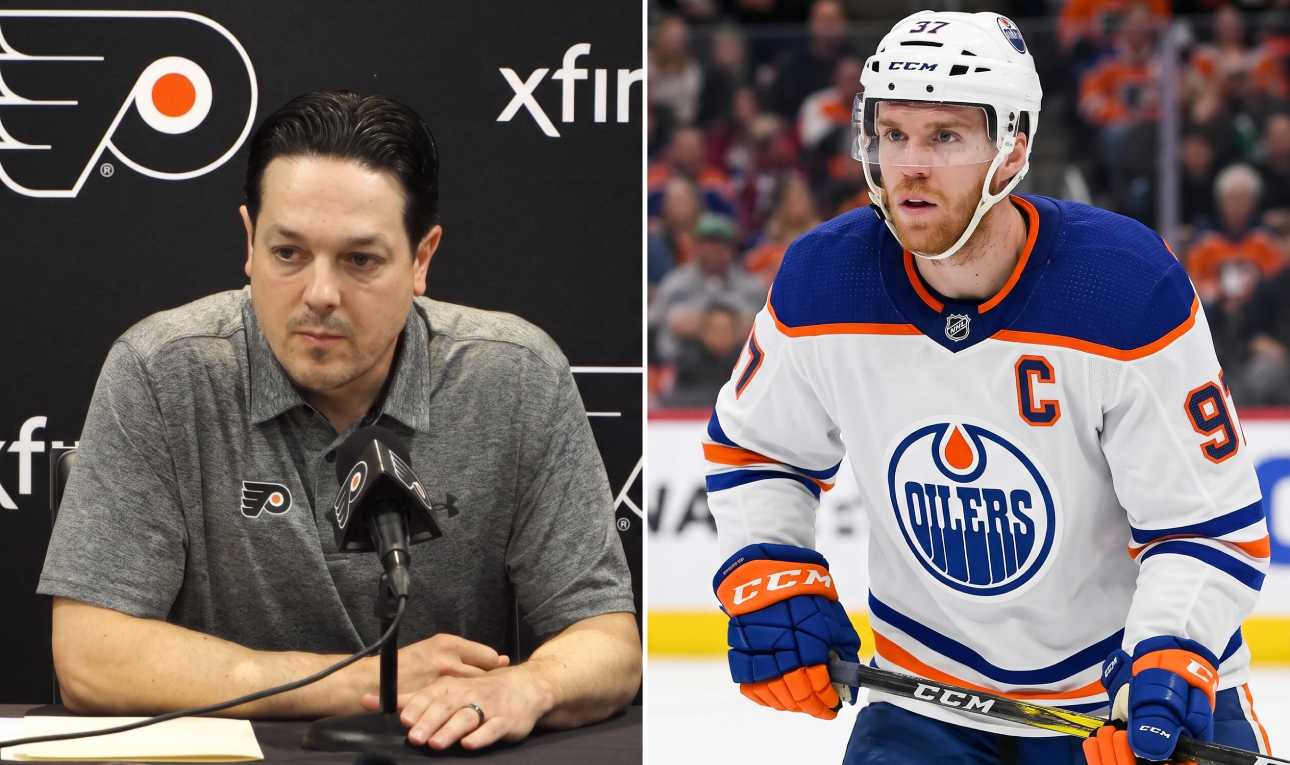
Our analysis of a possible Connor McDavid trade to the Philadelphia Flyers demonstrated the issue. Even when the target is an elite player, the discussion must include the assets leaving the organization, the remaining contract term, and the chances of retaining him beyond that deal.
Trade protection can narrow the market further. A no-trade or no-movement clause gives a player control over potential destinations, which can reduce the number of teams able to make a serious offer.
Market Reaction Answers a Different Question
A major trade can immediately change expectations around both teams.
That reaction may also appear in NHL betting odds, where moneyline, puck-line, totals, and outright markets reflect expectations for individual games and the season. A major acquisition, confirmed goaltending change, or important injury can affect how a team is priced.
Those movements tell us how expectations have changed. They do not tell us whether the contract will remain efficient, whether the player suits the coach’s system or whether the prospects surrendered in the trade will eventually become productive NHL players.
A deal can improve a team’s immediate outlook while still carrying significant long-term risk.
The Higher Salary Cap Changes the Math
The NHL and NHL Players’ Association officially established a $104 million upper limit for the 2026–27 season, up from $95.5 million in 2025–26. The lower limit for 2026–27 is $76.9 million.
The higher ceiling gives teams more room to operate and can make an existing fixed salary consume a smaller percentage of the cap. That may increase the appeal of players signed to longer contracts at predictable cap hits.
However, more cap space does not make every expensive contract attractive. Teams still need room for extensions, injuries, and supporting players. Spending heavily on one position can leave another part of the roster exposed.
The percentage of the cap committed to a player matters more than the dollar figure alone.
Acquisition Cost Can Change the Answer
The player arriving is only half of the trade.
A contender may be comfortable moving a late first-round pick for an established player. The decision becomes more difficult when the selling team demands a premium prospect, a young NHL regular, and multiple draft selections.
General managers must also consider opportunity cost. Assets used in one trade cannot be included in another. Cap space committed today may prevent a different move at the trade deadline or during the following offseason.
This is why an affordable second-line player can occasionally be a better target than a first-line star. The smaller acquisition may leave enough flexibility to address two roster needs instead of one.
What a Good NHL Trade Actually Solves
The best trades work from several angles. The player fills a clear role, his contract fits the team’s cap structure, and the price does not weaken the organization more than the addition improves it.
The bottom line is that fit should carry more weight than fame. A blockbuster may generate the biggest reaction on the day it is announced, but the quieter move can become more important once the games begin.